
Our
Association
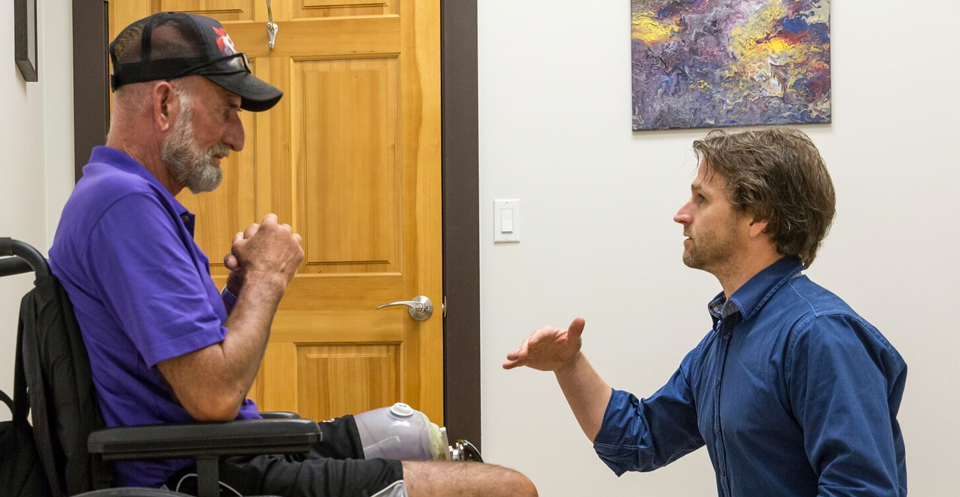
The Prosthetic and Orthotics Association of British Columbia (POABC) has been the provincial association for British Columbia since 1974. We represent Prosthetist and Orthotist practitioners, P&O technicians, students and facility owners/managers.
Our
Services
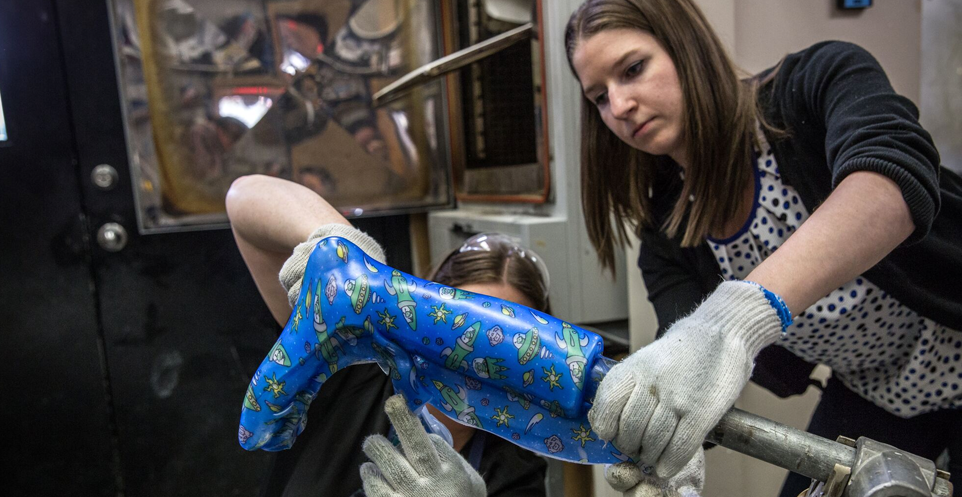
Many people in our community require prosthetic and orthotic treatment. Our Prosthetists and Orthotists offer treatments for patients with limb loss and physical impairments. Services include the provision of artificial limbs, known as a prosthesis, or the provision of an orthosis, including braces and other devices to provide support.
Credential & Education
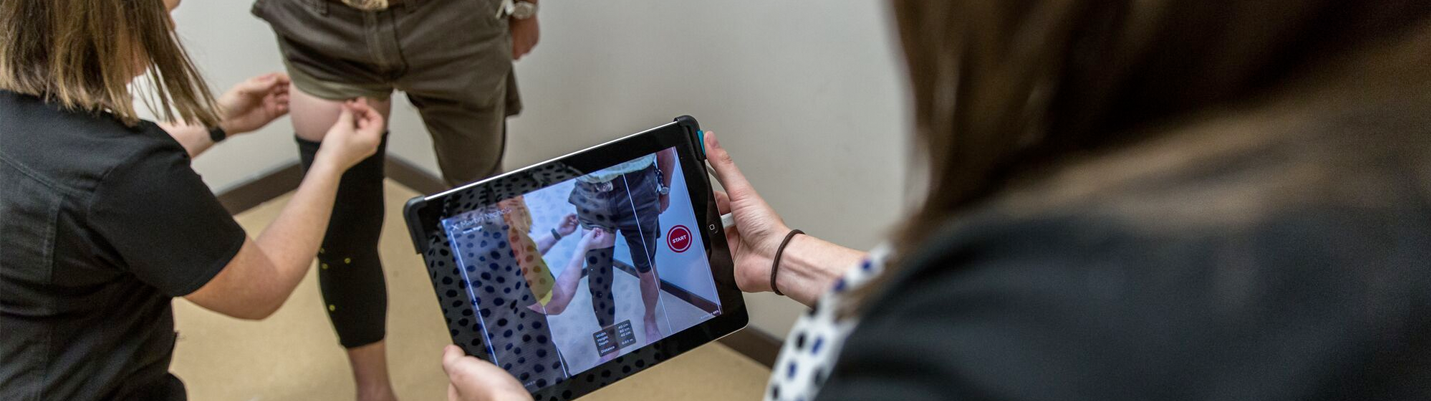
BC’s Prosthetists and Orthotists are certified by the Canadian Board for Certification of Prosthetists and Orthotists (CBCPO), the regulatory body for the prosthetic and orthotic profession within Canada. Depending on the training acquired, they receive the following certification:
- CP (c) = Certified Prosthetist
- CO (c) = Certified Orthotist
- CPO (c) = Certified Prosthetist and Orthotist
EDUCATION LINKS